Building a Business Case for Factory Peak Shaving with Battery Storage
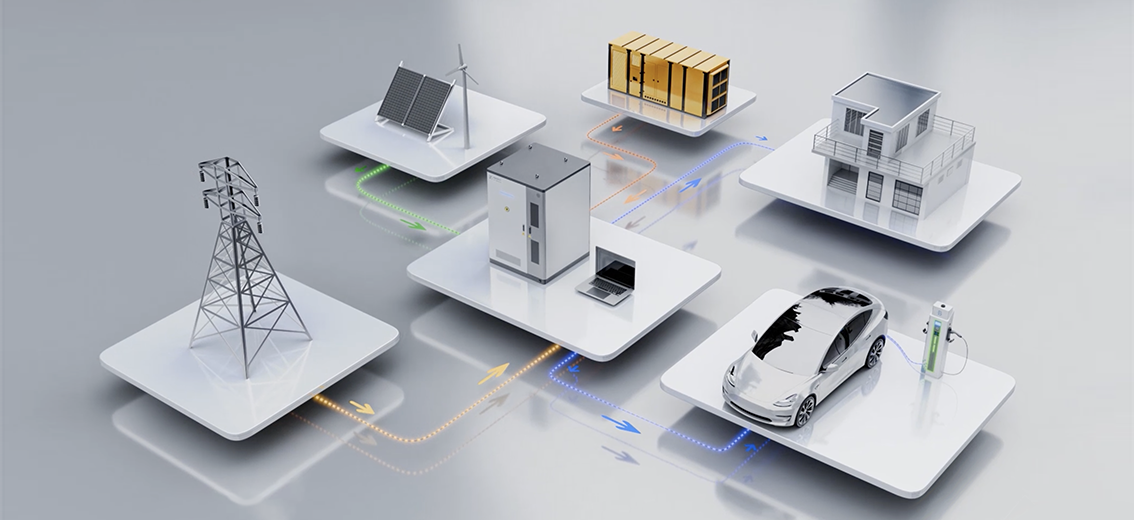
A factory battery project should be justified against the site's tariff, load profile, operating risks, and production plan. Peak shaving can lower billed demand in some tariff structures, but savings depend on when the peak occurs, how long it lasts, and whether the battery has enough power and energy at that time. A fixed payback claim without those inputs is not reliable.
Identify the economic drivers
Break the electricity bill into energy charges, demand charges, time-of-use periods, penalties, and other relevant components. Determine which meter and averaging interval set billed demand. Review at least a representative year of interval data so seasonal production, shutdowns, and weather loads are visible.
Add other value streams only when the project can actually capture them. These may include solar self-consumption, avoided curtailment, backup of selected loads, demand response, or improved power flexibility. Avoid counting the same stored energy twice in simultaneous operating assumptions.
Simulate dispatch and constraints
Choose a target demand threshold and simulate the battery's state of charge through every interval. Include round-trip losses, PCS limits, usable state-of-charge range, auxiliary consumption, recharge constraints, and degradation. The model should show how often the target is missed and why.
BENY energy storage solutions offer a useful reference when evaluating peak shaving, critical-load backup, and integration with onsite solar for industrial facilities. Product ratings must still be mapped to the modeled duty cycle, site voltage, grid rules, thermal conditions, and service requirements.
Value resilience carefully
Estimate outage cost from the processes that would actually be supported. Some production lines cannot restart quickly, while other loads can be shed without material loss. Define the critical-load panel, allowable transfer time, backup duration, and coordination with generators or UPS equipment. A standard grid-connected BESS does not provide backup without the required electrical architecture.
Use scenario ranges for outage frequency and duration rather than one optimistic value. Treat avoided production loss separately from routine tariff savings so decision makers can see which assumption drives the result.
Include lifecycle cash flows
The financial model should include equipment, engineering, interconnection, construction, software, maintenance, insurance, auxiliary electricity, augmentation or replacement, financing, taxes where applicable, and decommissioning. Apply supplier warranty limits and a defensible degradation profile to the dispatch model.
Run sensitivity tests for tariff changes, production growth, battery cost, usable capacity, efficiency, downtime, and discount rate. The strongest business case is transparent about conditions under which the project stops meeting its target. That transparency helps the factory choose the correct size, contract, and operating policy.